
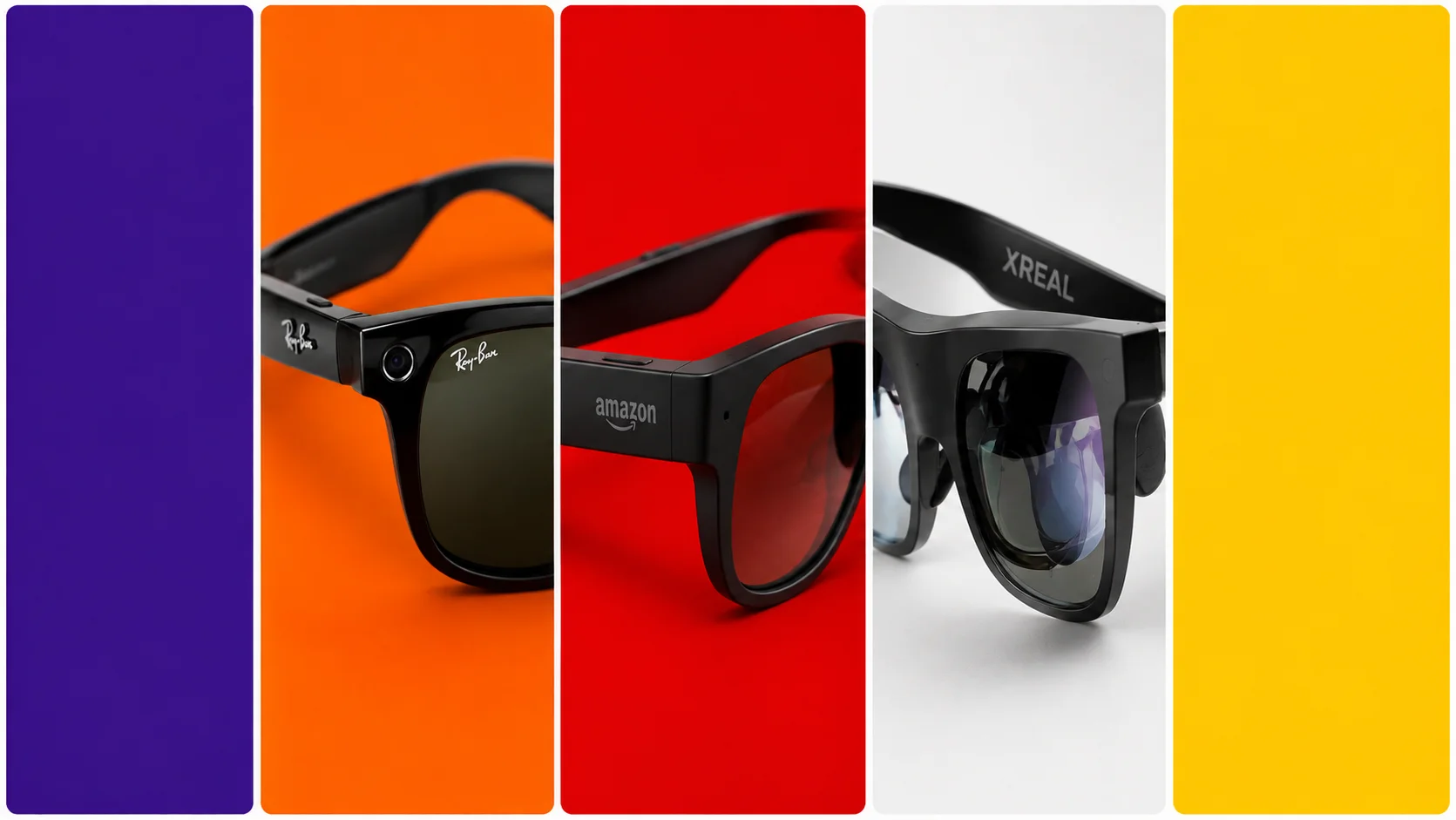
Smart Glasses 2026: The Shift Toward Face-Worn Technology
For the past decade, smartwatches dominated the wearable technology conversation. We grew accustomed to checking our wrists for notifications, heart rates, and quick replies. However, the hardware industry is now pivoting toward a more seamless integration: smart glasses. The promise is straightforward. Instead of looking down at a screen, the information, audio, and camera lenses are integrated directly into frames you already wear.
The initial attempts at this technology were clunky and visually unappealing, often signaling to everyone in the room that you were wearing a piece of heavy tech. Current models have solved the aesthetic problem. They look and feel like traditional eyewear. The real question remains whether their functionality justifies the price tag and the battery management required to keep them running throughout the day.
To answer that, it is necessary to understand the two main categories of smart glasses available right now. The first category focuses on audio and AI. These frames replace your wireless earbuds, using open-ear speakers to direct sound into your ears while leaving you aware of your surroundings. The second category focuses on Augmented Reality (AR) and screen mirroring, projecting a virtual display in front of your eyes for media consumption or gaming.
⚠️ Affiliate Disclosure: TechPlayGrid is reader-supported. When you buy through links on our site, we may earn an affiliate commission at no extra cost to you.
How We Evaluated the Hardware

To determine if these wearables offer genuine value, we evaluated them across three main criteria: daily comfort, battery reliability, and the actual utility of their features compared to using a standard smartphone or wireless earbuds. A device must be comfortable enough to wear for hours; otherwise, the internal technology becomes irrelevant.
Below is our hands-on analysis of three distinct models currently leading the market, covering both audio-first and display-first approaches.
1. Ray-Ban Meta Smart Glasses
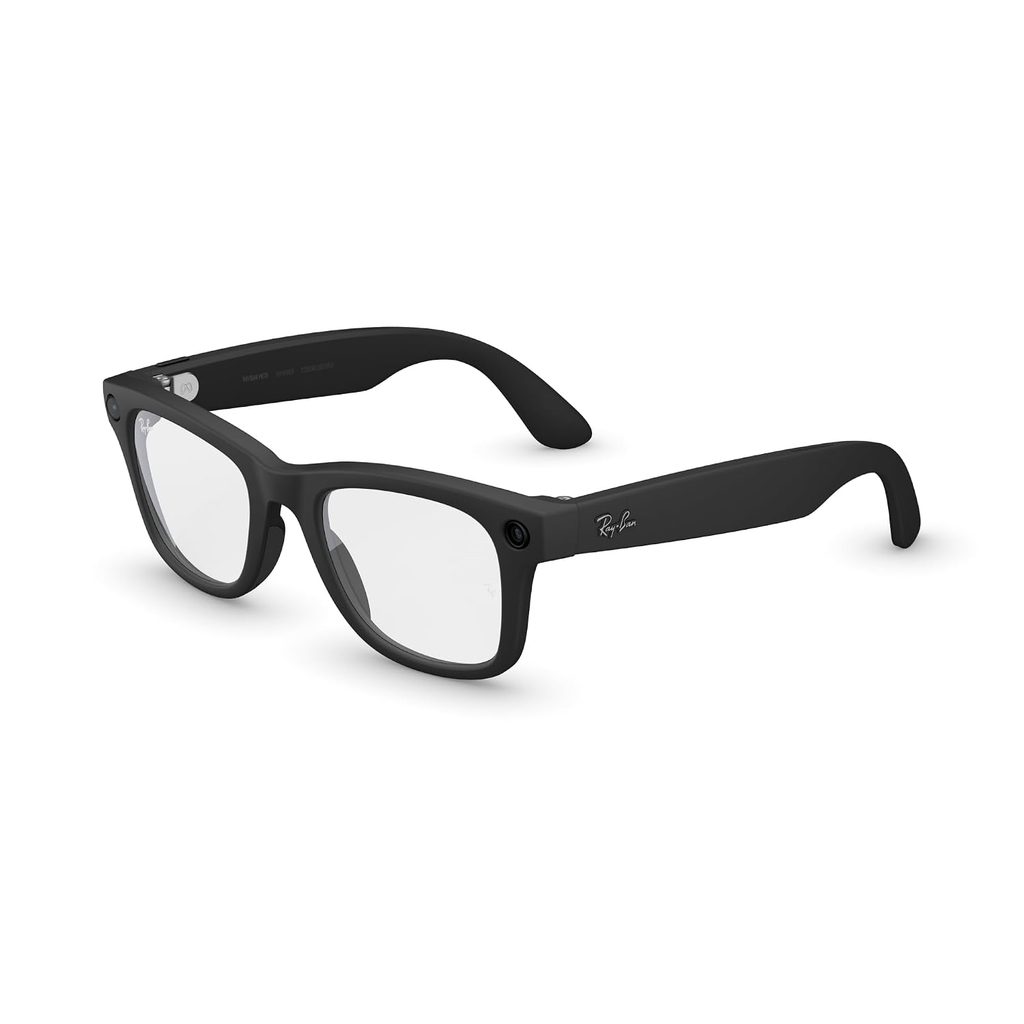
The collaboration between Meta and EssilorLuxottica (the parent company of Ray-Ban) resulted in the most mainstream smart glasses to date. Visually, they are nearly indistinguishable from classic Ray-Ban Wayfarers.
During our testing period, the standout feature was the 12-megapixel ultra-wide camera discreetly housed in the corner of the frame. Taking POV (point-of-view) videos while walking through the city or recording a quick hands-free tutorial was incredibly intuitive. You press a single tactile button on the arm of the glasses, and it records up to 60 seconds of stabilized video directly to your phone.
The open-ear audio is surprisingly robust. When listening to podcasts in a moderately noisy cafe, the directional speakers provided clear sound without leaking too much audio to the person sitting next to me. However, they lack the deep bass required for an immersive music experience. The integration of Meta AI allows you to ask questions about what you are currently looking at, which works well for basic translations or identifying landmarks, though it can sometimes be slow to process over cellular data. The primary drawback is battery life; heavy camera use drains the frames in under three hours, requiring frequent trips to the charging case.
[Check Price and Availability on Amazon]
2. Amazon Echo Frames (3rd Gen)
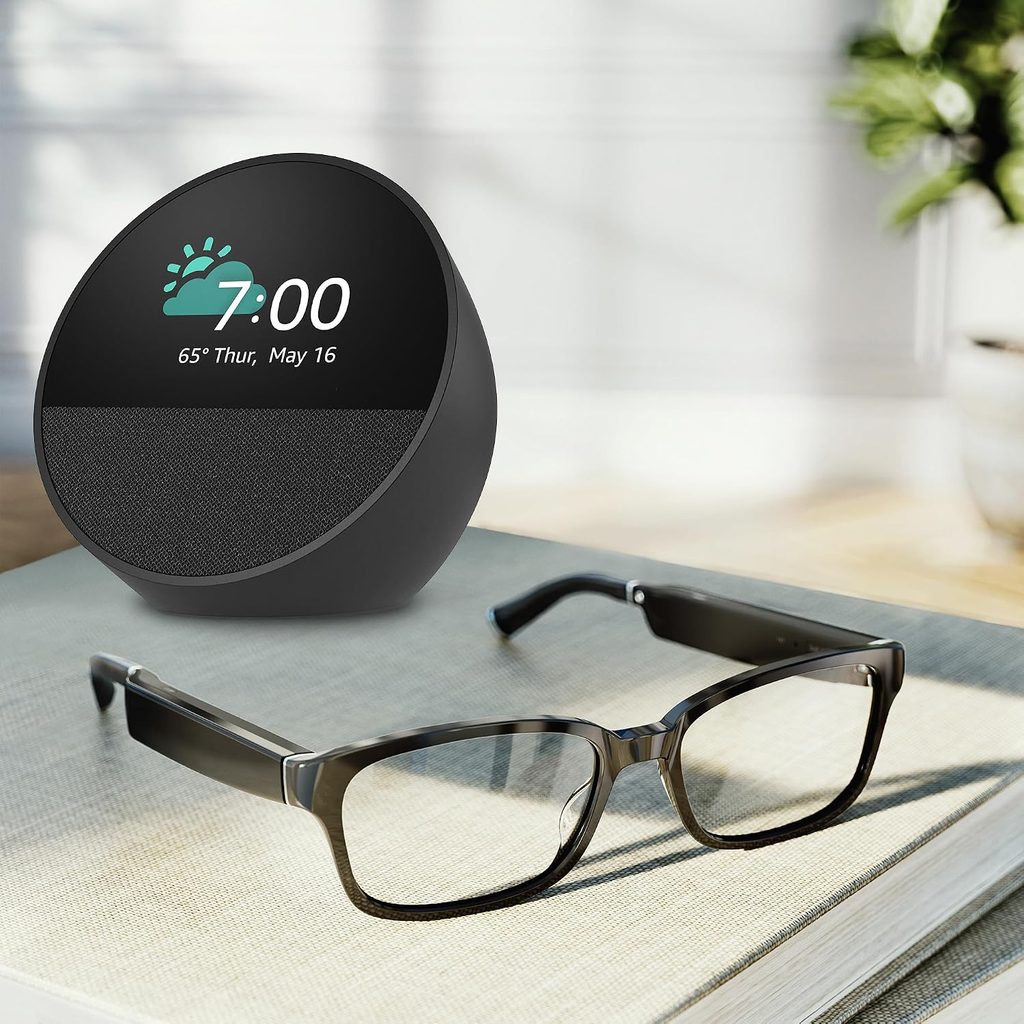
Amazon took a decidedly audio-first approach with the 3rd Generation of the Echo Frames. Unlike the Ray-Ban Meta, these do not feature a camera, which makes them lighter and eliminates the privacy concerns some users have regarding wearable lenses.
Wearing the Echo Frames for an entire workday felt natural. They are designed to keep you connected to Alexa and your phone’s notifications without isolating you from your environment. In our testing, the voice recognition was flawless. Setting reminders, controlling smart home devices, and replying to text messages via voice command while commuting felt like a massive upgrade over pulling out a phone.
The audio quality has seen a significant improvement from the previous generation, with richer tones and higher maximum volume. They function perfectly for background music and taking phone calls in quiet to moderate environments. If your primary goal is productivity and maintaining situational awareness without wearing earbuds, these offer the most practical daily utility. Battery life easily lasted through a standard workday with mixed audio and standby use.
[Check Price and Availability on Amazon]
3. XREAL Air 2 AR Glasses
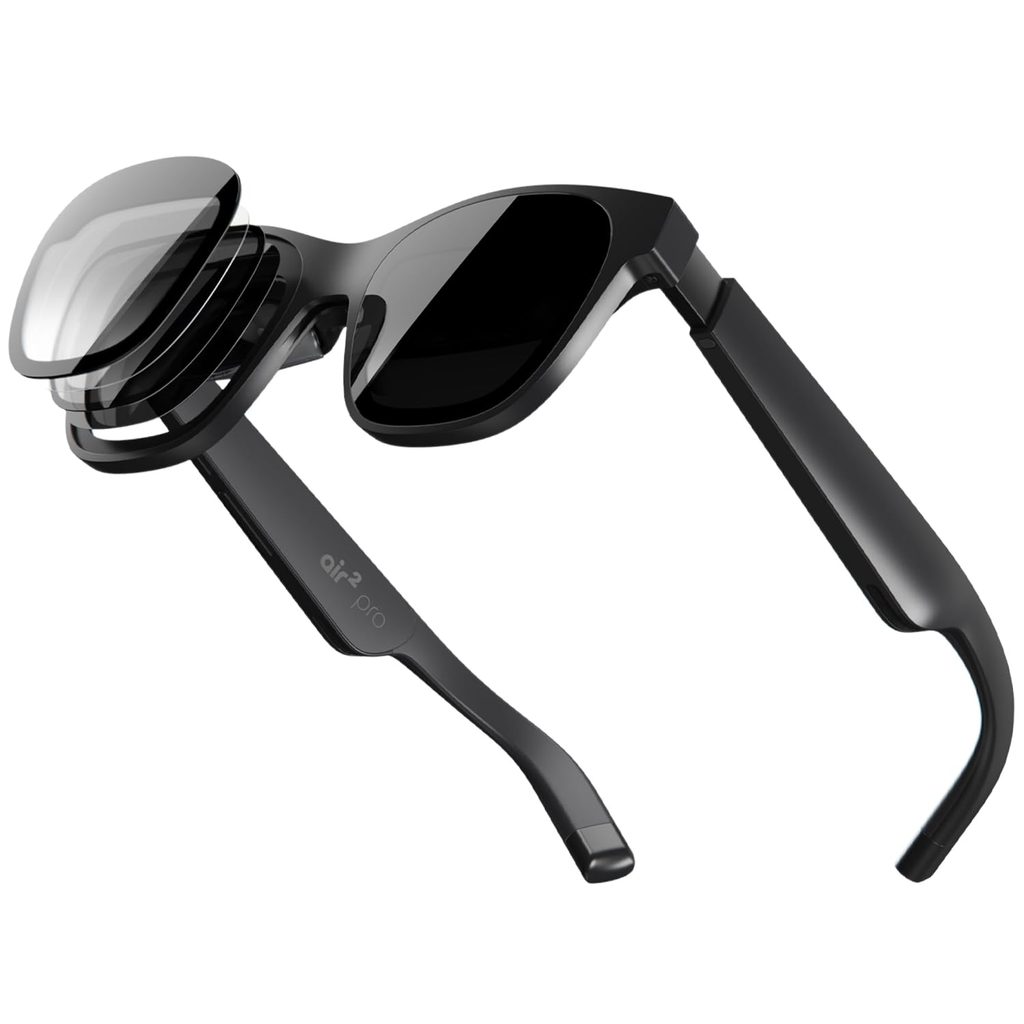
Moving away from audio-only frames, the XREAL Air 2 represents the screen-mirroring side of the market. These are not designed to be worn all day while walking down the street. Instead, they act as a portable, wearable monitor.
The hardware houses two Micro-OLED displays that project the equivalent of a 130-inch screen at a perceived distance of four meters. We tested the XREAL Air 2 by plugging it directly into a Steam Deck during a flight. The result is a highly immersive, private gaming session. The colors are vibrant, and the text is perfectly sharp, making it equally viable for watching movies on a phone or extending a laptop screen while working in a hotel room.
Comfort is decent for the first two hours, thanks to the adjustable nose pads, but the front-heavy design eventually causes a slight pinch on the bridge of the nose. It is also important to note that these glasses draw power directly from the connected device via a USB-C cable, which means your phone or console battery will drain faster during use. Despite this, for frequent travelers or gamers looking for a massive screen in a tiny footprint, the visual experience is unmatched at this price point.
[Check Price and Availability on Amazon]
The current generation of smart glasses proves that wearable technology is finally moving past the experimental phase. If you value capturing spontaneous moments or want seamless, invisible audio throughout your day, models like the Ray-Ban Meta and Echo Frames are entirely justifiable purchases right now. On the other hand, if you travel often and struggle with small screens on handheld consoles or laptops, AR glasses like the XREAL Air 2 offer a surprisingly polished solution. While none of these devices will completely replace your smartphone, they successfully eliminate much of the friction associated with using one.
Sources & Research:
- Manufacturer Specifications: Meta, Amazon, and XREAL official hardware documentation.
- Battery performance metrics validated through standard mixed-usage scenarios over a two-week period.
🔗 Related on TechPlayGrid
- 👉 Reduce Eye Strain in Long Gaming Sessions: Tips & Gear
- 👉 Best Wireless Headset Under $100 for PS5 (No Dongle)
- 👉 AI Beyond the Screen: Discover Gadgets with Artificial Intelligence
- 👉 Sound and Information: The Best Gaming Headsets for Every Budget
SEO & Publishing Metadata:
- Focus Keyword: Smart Glasses 2026
- SEO Title: Smart Glasses 2026: Are They Finally Worth Buying? (51 chars)
- Meta Description: Are smart glasses ready to replace your headphones or screens? We tested the top models available to see if this wearable trend is actually worth your money. (159 chars)
- Tags: smart glasses, wearable tech, Ray-Ban Meta, Echo Frames, XREAL Air 2, gadget reviews
- Summary Paragraph (Excerpt): Smart glasses are no longer just science fiction prototypes. From capturing hands-free POV video to projecting a massive virtual monitor for gaming, the latest wearables offer genuine utility. In this review, we break down how the technology has evolved and test the top three models on the market to see if they belong in your everyday tech arsenal.